DTology vs Medicube vs Torriden: Which Korean Serum Is Right for Your Skin?
Korean serums span distinct formulation philosophies—from multi-molecular hydration to peptide-and-polynucleotide firming concepts and clinic-derived soothing routines. Here is what verified ingredient lists, dermatology literature, and U.S. pricing actually show about DTology Signature Firming Serum, Medicube PDRN Pink Peptide Serum, and Torriden DIVE-IN Serum.
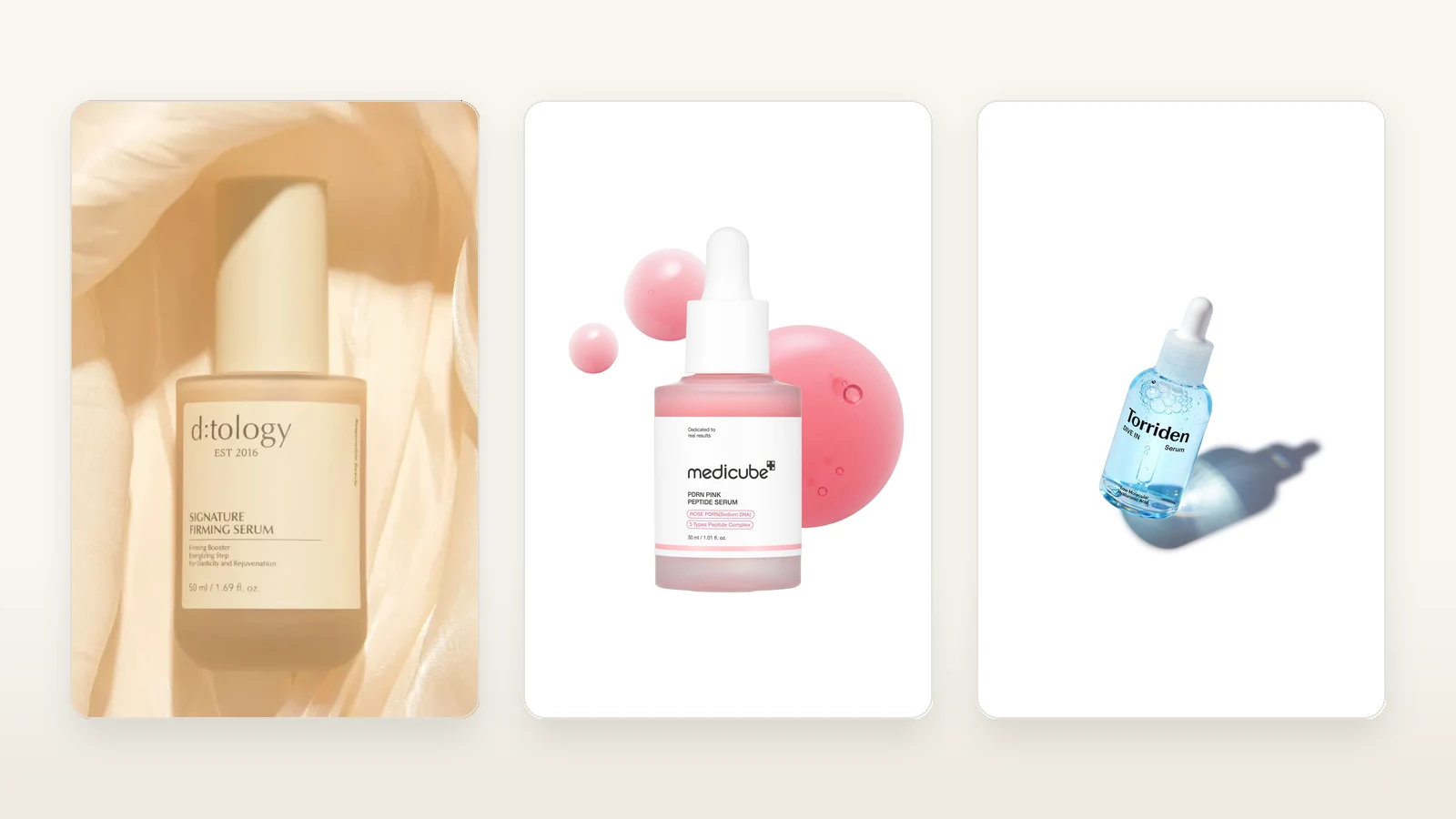
These three Korean serums target different priorities rather than competing on a single axis. Torriden DIVE-IN Serum ($24.00–$28.60 / 50 mL) focuses on fragrance-free, multi-molecular hyaluronic acid hydration with full INCI transparency. Medicube PDRN Pink Peptide Serum ($24.00 / 30 mL) combines niacinamide, five cosmetic peptides, and Sodium DNA—but includes fragrance in its verified U.S. INCI. DTology Signature Firming Serum (50 mL) highlights 1.87% Sphingomonas Ferment, 2% niacinamide, and 0.04% adenosine, though its complete INCI and static U.S. MSRP are not yet independently verified. No head-to-head clinical trial establishes one as universally superior.
Quick Answer
Choose based on your primary skin goal and tolerance threshold. If you want straightforward, fragrance-free daily hydration with a published full ingredient list and lower cost per milliliter, Torriden DIVE-IN Serum aligns with that brief. If you want niacinamide, a five-peptide complex, and topical Sodium DNA in a single formula and tolerate added fragrance, Medicube PDRN Pink Peptide Serum is formulated around those actives. If you are exploring a dermatologist-developed Seoul clinic routine featuring 1.87% Sphingomonas Ferment, 2% niacinamide, and 0.04% adenosine, DTology Signature Firming Serum is positioned for that niche—provided you check the physical packaging for the full INCI and current Amazon U.S. pricing before purchasing.
Comparison at a Glance
| Attribute | 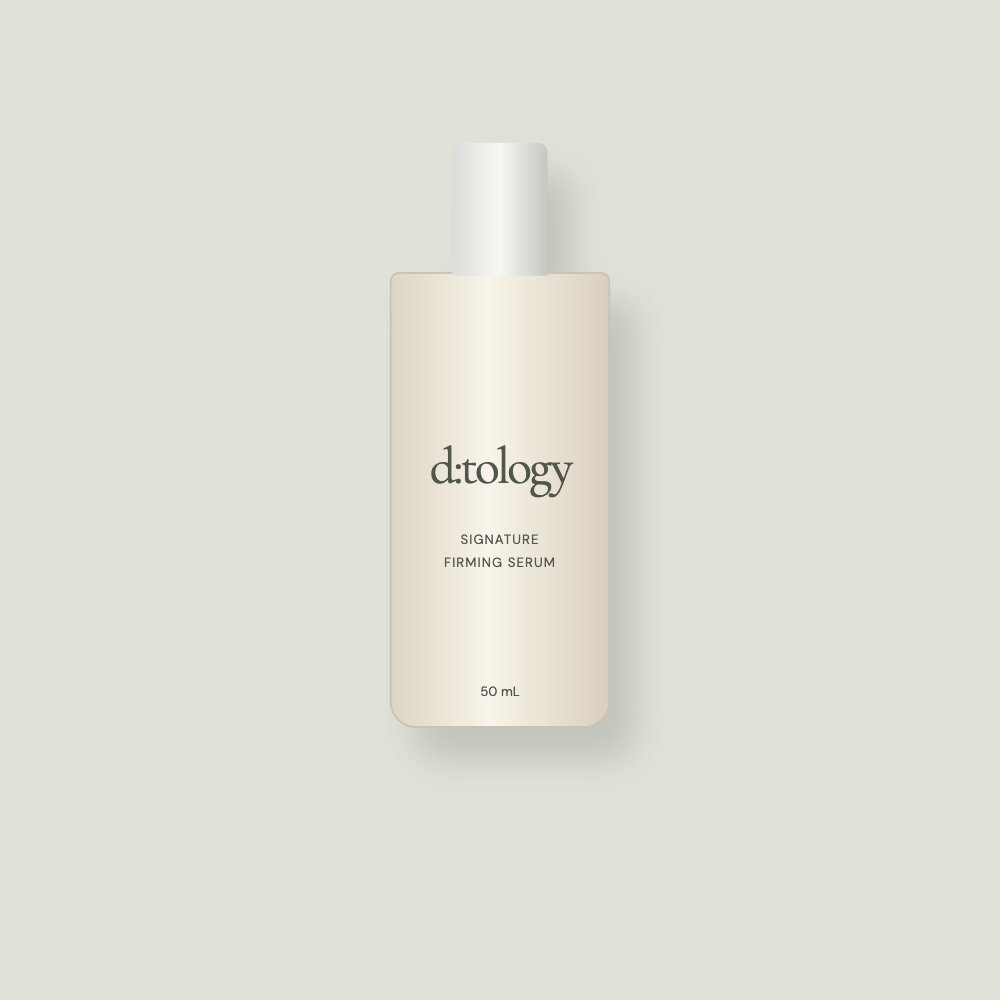 DTology Signature Firming Serum | 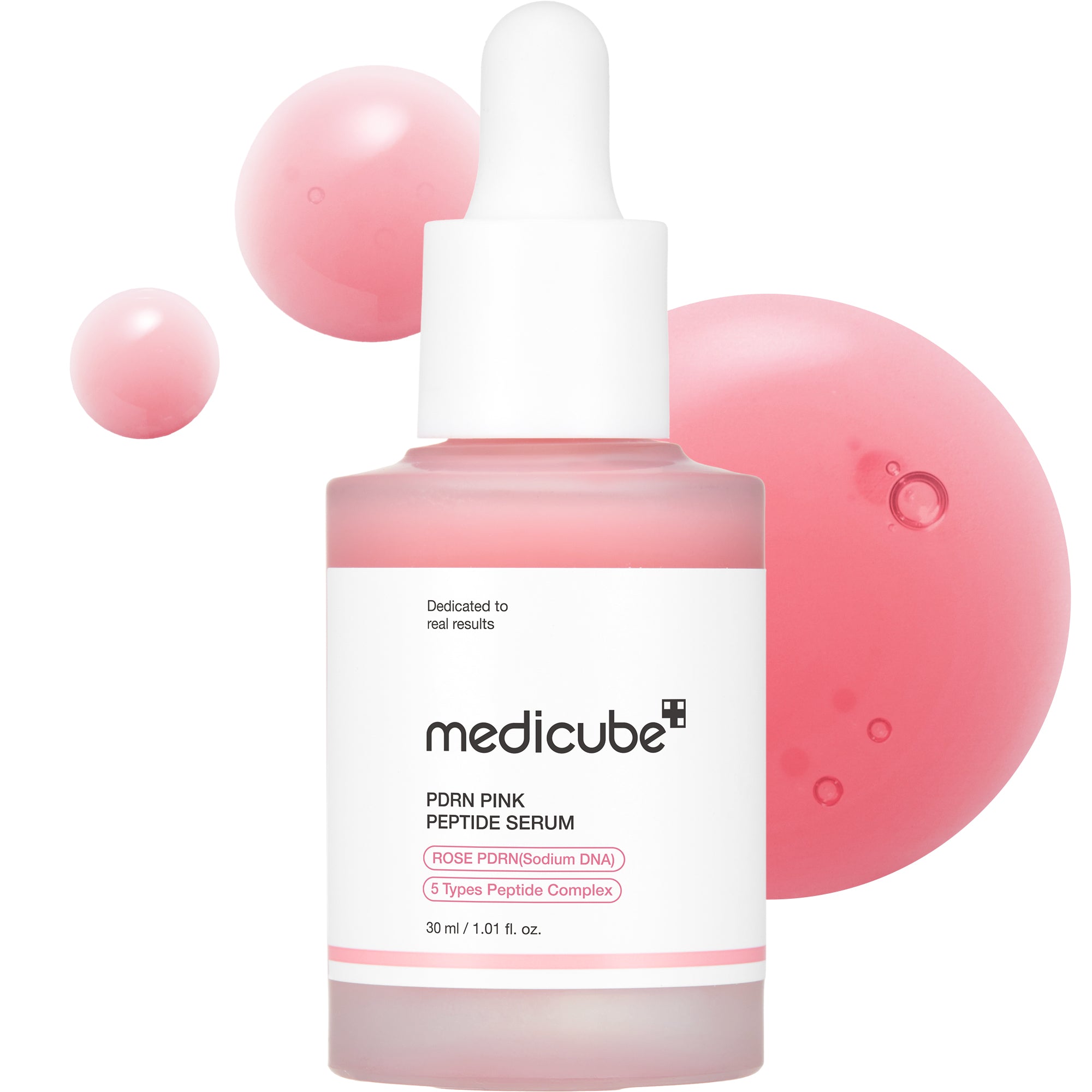 Medicube PDRN Pink Peptide Serum | 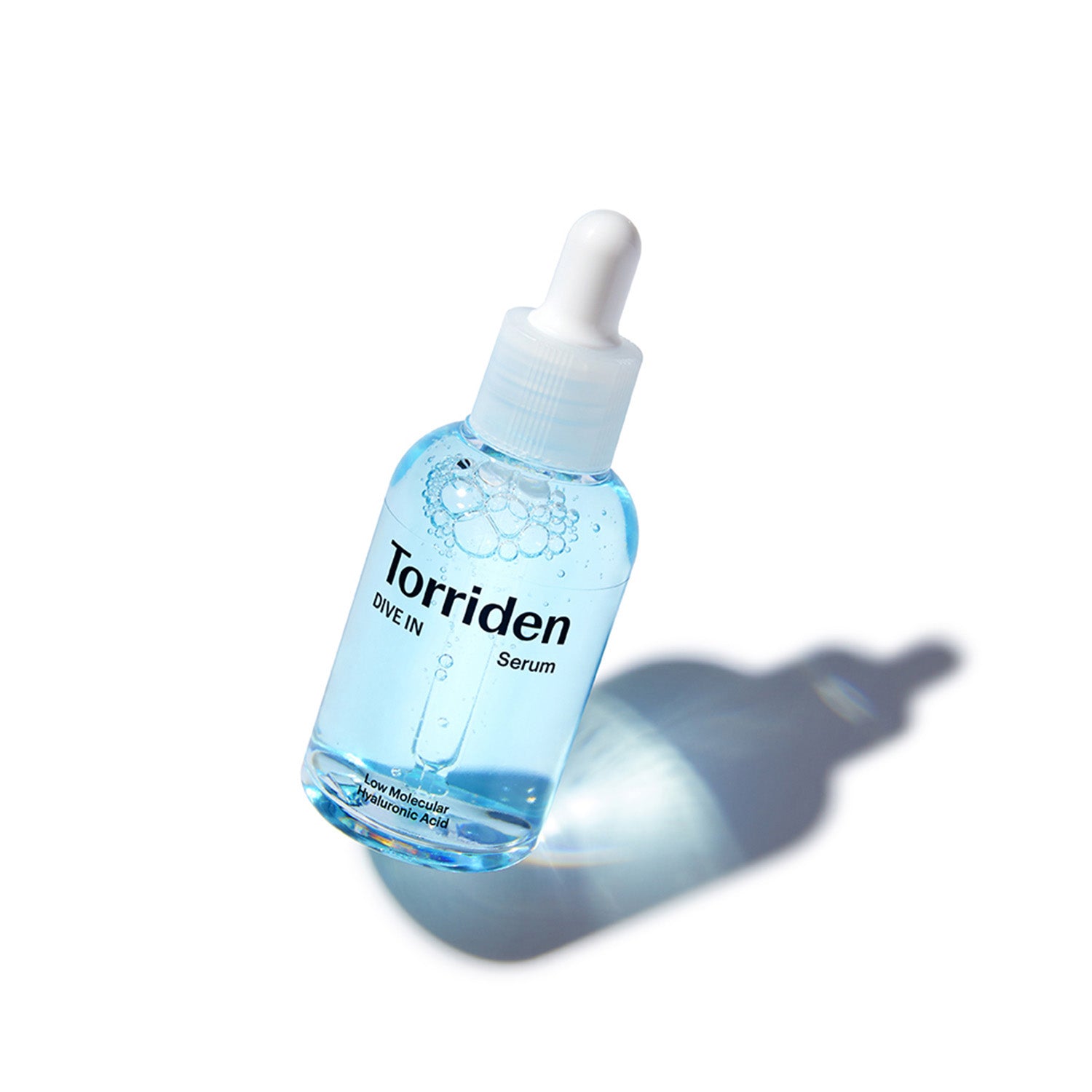 Torriden DIVE-IN Serum |
|---|---|---|---|
| Primary intended purpose | Elasticity support, visible soothing, and daily hydration (Step 2 of 3-step routine) | Tone brightening, firmness appearance, and elasticity support with PDRN & peptides | Lightweight multi-molecular hydration and soothing for dehydrated skin |
| Net size | 50 mL (1.69 fl. oz.) | 30 mL (1.01 fl. oz.) | 50 mL (1.69 fl. oz.) |
| Verified U.S. price | Not verified (dynamic Amazon U.S. listing; no static MSRP on dtology.us) | $24.00 USD (medicube.us reference MSRP) | $24.00–$28.60 USD ($24.00 retailer ref / $28.60 torriden.us MSRP) |
| Price per mL | Not verified | $0.80 / mL | $0.48–$0.57 / mL |
| Key disclosed ingredients | Brand highlights: 1.87% Sphingomonas Ferment, 2% Niacinamide, 0.04% Adenosine, Coptis Japonica Root, Triple HA | Niacinamide, Sodium DNA (PDRN), 5 Peptides, Adenosine, Sodium Hyaluronate, Cyanocobalamin (B12) | 5-form Hyaluronic Acid complex, Panthenol, Allantoin, Madecassoside, Beta-Glucan, Ceramide NP, Cholesterol |
| Fragrance disclosure | Not verified (full INCI not publicly published) | Confirmed present (Fragrance listed in verified U.S. INCI) | Confirmed absent from verified INCI (fragrance-free) |
| Texture & format | Lightweight serum; 50 mL frosted pump bottle | Translucent pink gel-serum; 30 mL pump bottle | Watery pastel-blue serum; 50 mL glass dropper bottle |
| Intended skin concerns | Loss of firmness, redness-prone or dry skin | Dullness, uneven tone, early elasticity concerns | Dehydration, tightness, fragrance-sensitive skin |
| Formula disclosure status | Not independently verified (key active highlights only) | Full U.S. INCI verified (regional SKU variants exist) | Full U.S. INCI verified |
| Notable limitations | Full INCI and static retail price not publicly published; no independent clinical trials | Contains fragrance; highest cost per mL; topical Sodium DNA is not injectable PDRN | No peptides or niacinamide; contains Witch Hazel leaf extract |
How the Key Serum Ingredients Work
Marketing copy often blurs the line between what an ingredient can do in a laboratory dish or clinical injection and what a leave-on cosmetic serum can realistically deliver across an intact stratum corneum. Separating established ingredient mechanisms from product-level proof helps set realistic expectations.
Humectants and Multi-Molecular Hyaluronic Acid
Humectants—including glycerin, butylene glycol, panthenol, betaine, and hyaluronic acid (HA) derivatives—bind water within the upper layers of the epidermis to relieve tightness and temporarily plump fine dehydration lines. A 2018 review in the International Journal of Biological Macromolecules (Bukhari et al., PMID 30287361) notes that higher-molecular-weight HA primarily forms a breathable moisture-retaining film at the surface, while lower-molecular-weight hydrolyzed fragments can interact closer to the upper stratum corneum. Torriden DIVE-IN Serum centers its formula on five distinct HA forms alongside glycerin and panthenol, whereas Medicube lists a single HA form (Sodium Hyaluronate) lower in its INCI and DTology highlights a 'Triple Hyaluronic Acid' blend without a published full INCI.
Cosmetic Peptides and Adenosine
Peptides are short amino acid chains used in cosmetics as signal peptides (such as Palmitoyl Tripeptide-1 and Palmitoyl Pentapeptide-4), carrier peptides (Copper Tripeptide-1), or neurotransmitter-modulating peptides (Acetyl Hexapeptide-8). A 2025 review in Biomolecules (PMID 39858482) highlights that while peptides show promising biological activity in cellular models and small human cosmetic trials, finished-product efficacy depends heavily on concentration, formulation stability, and skin penetration—none of which are disclosed on standard INCI labels. Medicube explicitly lists five named peptides alongside adenosine. DTology discloses 0.04% adenosine (the standard Korean Ministry of Food and Drug Safety functional concentration for wrinkle-improvement cosmetic claims) and positions itself as a firming serum, though whether it contains named peptides cannot be confirmed without a full INCI. Torriden DIVE-IN Serum contains neither peptides nor adenosine.
Topical Sodium DNA (PDRN) vs. Injectable PDRN
Polydeoxyribonucleotide (PDRN)—labeled as Sodium DNA in cosmetic INCI lists—originated in regenerative medicine and wound healing, where intradermal injections deposit DNA fragments directly into the dermis to stimulate adenosine A2A receptors (Colangelo et al., Pharmaceuticals, 2021, PMID 34832885). Consumers should not equate a topical OTC serum containing Sodium DNA with in-clinic injectable PDRN treatments. Because intact stratum corneum restricts large hydrophilic macromolecules, topical cosmetic Sodium DNA primarily acts as a surface hydrator and conditioning agent unless paired with specialized clinical delivery methods. Medicube PDRN Pink Peptide Serum is the only formula in this trio verified to contain Sodium DNA, and its cosmetic benefits are more plausibly supported by its broader combination of glycerin, niacinamide, adenosine, and peptides than by injectable-equivalent PDRN remodeling.
Niacinamide and Barrier-Supporting Ingredients
Topical niacinamide (vitamin B3) has one of the strongest evidence bases in cosmetic dermatology. Controlled clinical studies—including Bissett et al. (Dermatologic Surgery, 2005, PMID 16029679)—associate 2% to 5% niacinamide with improved stratum corneum barrier function, reduced blotchiness, and smoother appearance over 8 to 12 weeks. DTology discloses 2% niacinamide and Medicube lists niacinamide high in its INCI (sixth ingredient, exact percentage undisclosed). Meanwhile, Torriden omits niacinamide entirely and instead pairs panthenol (supported by Proksch & Nissen, 2002, PMID 19753737 for barrier recovery after surfactant irritation) with madecassoside, beta-glucan, and trace Ceramide NP and cholesterol.
Product-by-Product Deep Dives
DTology Signature Firming Serum
DTology Signature Firming Serum (50 mL / 1.69 fl. oz.) is Step 2 in the three-step routine developed by Dr. Wonwoo Choi at WELLS Dermatology Clinic in Seoul. According to dtology.us, the serum is formulated around 1.87% Sphingomonas Ferment, 2% niacinamide, 0.04% adenosine, Coptis Japonica Root extract, and Triple Hyaluronic Acid, aiming to support skin elasticity, calm visible redness, and hydrate without heavy mineral oil or petrolatum.
From an ingredient-science perspective, disclosing exact percentages for three key actives—1.87% Sphingomonas Ferment (a bio-ferment polysaccharide used for moisture film support), 2% niacinamide (a gentle, well-tolerated concentration for barrier and tone support), and 0.04% adenosine—is helpful context. However, a major transparency gap remains: as of November 29, 2026, a complete INCI list is not publicly published on dtology.us. Without the complete ingredient deck, independent reviewers cannot verify the preservative system, solvent base, fragrance or essential oil absence, or whether any peptides or ceramides are present.
Pricing is similarly dynamic rather than fixed: dtology.us links directly to Amazon U.S. (ASIN B0HRQRMJ9K) without listing a static MSRP, making standardized per-mL comparisons impossible until a stable retail baseline is published. Readers interested in DTology's dermatologist-founded positioning should inspect the physical box or live Amazon U.S. ingredient panel before committing—especially if they have known fragrance or botanical allergies.
Strengths
- Generous 50 mL bottle size (67% larger than Medicube's 30 mL).
- Discloses specific percentages for key actives (1.87% Sphingomonas Ferment, 2% niacinamide, 0.04% adenosine).
- 2% niacinamide is generally well-tolerated by sensitive skin compared with 10%+ high-strength serums.
Limitations
- Complete INCI list is not independently verified online; fragrance and allergen status remain unverified.
- No static U.S. MSRP published on dtology.us; unit cost cannot be cleanly benchmarked.
- No independent peer-reviewed clinical studies on the finished serum.
Medicube PDRN Pink Peptide Serum
Medicube PDRN Pink Peptide Serum (30 mL / 1.01 fl. oz., $24.00 reference MSRP) is the most active-dense formula in this comparison. Its verified U.S. INCI combines humectants (glycerin, dipropylene glycol, glycereth-26), niacinamide (6th ingredient), Sodium DNA (8th ingredient), adenosine, Sodium Hyaluronate, Ubiquinone (CoQ10), Hydrolyzed Collagen, and five named peptides: Palmitoyl Pentapeptide-4, Palmitoyl Tripeptide-1, Palmitoyl Tetrapeptide-7, Copper Tripeptide-1, and Acetyl Hexapeptide-8. Its signature pink tint comes from Cyanocobalamin (Vitamin B12) rather than synthetic dye.
Where Medicube stands out is multi-pathway cosmetic formulation: if you want niacinamide, five cosmetic peptides, and topical Sodium DNA in a single pump bottle without layering three separate serums, Medicube delivers that breadth with a fully published INCI. At the same time, two realistic caveats apply. First, topical Sodium DNA should be viewed as a hydrating, skin-conditioning cosmetic ingredient rather than a needle-free substitute for injectable PDRN clinic treatments. Second, the verified U.S. INCI explicitly lists 'Fragrance', alongside botanical extracts such as turmeric root and holy basil leaf, which increases irritation risk for fragrance-allergic users.
At $24.00 for 30 mL ($0.80/mL), Medicube is also the most expensive per milliliter among the priced products here—roughly 40% to 67% more per mL than Torriden DIVE-IN Serum. Consumers should also verify regional packaging, as Medicube distributes both salmon-derived Sodium DNA and vegan rose-derived PDRN SKUs across markets.
Strengths
- Full U.S. INCI is published and verified.
- Broad multi-active formula combining niacinamide, adenosine, Sodium DNA, and five named peptides.
- Natural pink hue from Vitamin B12 (Cyanocobalamin) without artificial colorants.
Limitations
- Contains Fragrance in the verified U.S. INCI—less suitable for fragrance-sensitive or reactive skin.
- Highest unit cost among priced options ($0.80/mL for 30 mL).
- Exact percentages of niacinamide and individual peptides are undisclosed; regional salmon vs. rose PDRN SKUs can cause confusion.
Torriden DIVE-IN Low Molecular Hyaluronic Acid Serum
Torriden DIVE-IN Serum (50 mL / 1.69 fl. oz., $24.00–$28.60 USD) takes the opposite approach: instead of chasing firming peptides or trending polynucleotides, it commits to straightforward, fragrance-free hydration. Its verified INCI leads with water, butylene glycol, glycerin, dipropylene glycol, 1,2-hexanediol, and panthenol, followed immediately by five forms of hyaluronic acid (Sodium Hyaluronate, Hydrolyzed Hyaluronic Acid, Sodium Acetylated Hyaluronate, Sodium Hyaluronate Crosspolymer, and Hydrolyzed Sodium Hyaluronate). Supporting soothing and barrier-adjacent ingredients include allantoin, trehalose, betaine, madecassoside, beta-glucan, and trace Ceramide NP and cholesterol.
Because it omits synthetic fragrance and artificial dyes (its faint pastel blue tint comes from Malachite Extract), Torriden DIVE-IN Serum is widely favored as a low-friction layering serum that plays nicely with prescription retinoids, exfoliating acids, or richer barrier creams. At $0.48 to $0.57 per mL depending on retailer, it also delivers strong everyday value for a 50 mL dropper bottle.
Its limitations are equally clear. If your primary goal is targeted tone evening (niacinamide) or peptide-oriented anti-aging support, Torriden DIVE-IN Serum does not include those actives. Additionally, while fragrance-free, the verified INCI does contain Hamamelis Virginiana (Witch Hazel) Leaf Extract—a botanical extract that most users tolerate well at low cosmetic levels, but that very reactive individuals should still patch-test.
Strengths
- Confirmed fragrance-free with a fully published, verified U.S. INCI.
- Five-form hyaluronic acid complex paired with glycerin, panthenol, allantoin, madecassoside, and beta-glucan.
- Lower unit cost ($0.48–$0.57/mL) and generous 50 mL volume.
Limitations
- Contains no peptides, niacinamide, or adenosine—hydration-focused rather than firming-focused.
- Includes Witch Hazel (Hamamelis Virginiana) Leaf Extract, which can occasionally irritate ultra-sensitive skin.
- Ceramide NP and cholesterol appear late in the INCI and do not replace a dedicated barrier moisturizer.
Detailed Ingredient Matrix
| Attribute | DTology Signature Firming Serum | Medicube PDRN Pink Peptide Serum | Torriden DIVE-IN Serum |
|---|---|---|---|
| Multi-form Hyaluronic Acid | Confirmed present (Triple HA disclosed; exact forms not verified) | Confirmed absent (single form: Sodium Hyaluronate) | Confirmed present (5 HA derivatives) |
| Glycerin & Humectants | Not verified (full INCI unavailable) | Confirmed present (Glycerin, Dipropylene Glycol, Glycereth-26) | Confirmed present (Glycerin, Butylene Glycol, Trehalose, Betaine) |
| Niacinamide | Confirmed present (2% disclosed) | Confirmed present (6th ingredient; % undisclosed) | Confirmed absent from verified INCI |
| Named Cosmetic Peptides | Not verified (full INCI unavailable) | Confirmed present (5 peptides incl. Copper Tripeptide-1) | Confirmed absent from verified INCI |
| Sodium DNA (PDRN) | Not verified (full INCI unavailable) | Confirmed present (Sodium DNA, 8th ingredient) | Confirmed absent from verified INCI |
| Adenosine | Confirmed present (0.04% disclosed) | Confirmed present | Confirmed absent from verified INCI |
| Panthenol (Vitamin B5) | Not verified (full INCI unavailable) | Confirmed absent from verified INCI | Confirmed present (6th ingredient) |
| Ceramides / Cholesterol | Not verified (full INCI unavailable) | Confirmed absent from verified INCI | Confirmed present (Ceramide NP, Cholesterol — late INCI) |
| Fragrance (Parfum) | Not verified (full INCI unavailable) | Confirmed present (Fragrance listed in U.S. INCI) | Confirmed absent from verified INCI |
| Witch Hazel Extract | Not verified (full INCI unavailable) | Confirmed absent from verified INCI | Confirmed present (Hamamelis Virginiana Leaf Extract) |
Status definitions: Confirmed present = explicitly listed in verified INCI or official brand active disclosure; Confirmed absent = not present in the verified complete INCI; Not verified = complete INCI is not publicly available, so absence cannot be assumed.
Price and Value Comparison
All three serums are measured in milliliters (mL), allowing direct per-mL comparison where a verified U.S. retail price exists. Lower cost per mL does not automatically indicate higher or lower formula quality—it reflects bottle size, active complexity, and brand pricing.
| Product | Price | Net Quantity | Unit Cost | Date Checked | Source / Retailer | Packaging & Notes |
|---|---|---|---|---|---|---|
| DTology Signature Firming Serum | Not verified (Amazon U.S. dynamic) | 50 mL (1.69 fl. oz.) | Not verified | 2026-11-29 | dtology.us → Amazon U.S. (B0HRQRMJ9K) | Frosted pump bottle; static MSRP not published on dtology.us |
| Medicube PDRN Pink Peptide Serum | $24.00 USD | 30 mL (1.01 fl. oz.) | $0.80 / mL | 2026-11-29 | medicube.us reference MSRP | Smallest bottle (30 mL); promotional pricing varies across Ulta/Olive Young |
| Torriden DIVE-IN Serum | $24.00–$28.60 USD | 50 mL (1.69 fl. oz.) | $0.48–$0.57 / mL | 2026-11-29 | torriden.us ($28.60) / U.S. retail ($24.00) | 50 mL glass dropper; lowest verified cost per mL in this comparison |
Which Serum Fits Which Need?
Simple, fragrance-free daily hydration for dehydrated skin
Torriden DIVE-IN Serum is the most transparent fit: fragrance-free, five HA derivatives, panthenol, allantoin, and a lower per-mL price. Pair it with a moisturizer to seal in water.
Multi-active tone and cosmetic firming support in one step
Medicube PDRN Pink Peptide Serum packs niacinamide, five peptides, adenosine, and topical Sodium DNA into a single bottle—best suited to skin that tolerates added fragrance and understands topical PDRN is not an injectable substitute.
Moderate 2% niacinamide + 0.04% adenosine in a clinic-origin routine
DTology Signature Firming Serum highlights those exact concentrations alongside 1.87% Sphingomonas Ferment in a 50 mL bottle. Confirm the full physical-package INCI and live Amazon U.S. price before purchasing if you have sensitivities.
Layering alongside prescription retinoids or exfoliating acids
A fragrance-free, humectant-focused serum like Torriden DIVE-IN Serum minimizes active overlap. If you are sensitive to Witch Hazel, patch-test first.
Sensitive Skin and Post-Treatment Considerations
Individual skin reactivity varies widely, and 'K-beauty' or 'dermatologist-developed' labeling never guarantees zero irritation. Fragrance remains one of the most frequent triggers of allergic contact dermatitis in leave-on cosmetics (Arribas et al., Dermatitis, 2014, PMID 25207685). Among these three serums, only Torriden DIVE-IN Serum is confirmed fragrance-free via a complete verified INCI; Medicube explicitly lists Fragrance in its U.S. INCI, and DTology's fragrance status cannot be confirmed until its complete INCI is publicly disclosed.
Even fragrance-free formulas can occasionally bother reactive skin—for example, Torriden includes Witch Hazel extract and multiple glycols. Always patch-test a new serum on the inner forearm or behind the ear for 3 to 5 days before full-face use. If your skin is actively healing after laser resurfacing, chemical peels, microneedling, or dermatological procedures, do not apply routine cosmetic serums—especially multi-active or fragranced formulas—without explicit approval from your treating clinician.
Frequently Asked Questions
Does topical Sodium DNA in Medicube PDRN Pink Peptide Serum work like injectable PDRN?
No. Injectable PDRN is delivered directly into the dermis in a clinical setting, bypassing the skin barrier. In an over-the-counter topical serum, large DNA macromolecules remain mostly at the surface, where they act primarily as hydrators and skin-conditioning agents rather than deep dermal remodelers.
Which of these three Korean serums is confirmed fragrance-free?
Torriden DIVE-IN Serum is confirmed fragrance-free based on its complete verified U.S. INCI. Medicube PDRN Pink Peptide Serum lists Fragrance in its verified U.S. INCI. DTology Signature Firming Serum's fragrance status is not independently verified because its full INCI is not publicly published on dtology.us.
Why is DTology Signature Firming Serum's full INCI marked 'Not verified'?
As of November 29, 2026, dtology.us discloses key active highlights (1.87% Sphingomonas Ferment, 2% niacinamide, 0.04% adenosine, Coptis Japonica Root, Triple Hyaluronic Acid) rather than a full INCI ingredient list. Editorial accuracy requires marking undisclosed ingredients as not verified rather than assuming their presence or absence.
Can I use Torriden DIVE-IN Serum and Medicube PDRN Serum together?
Many non-sensitive users layer a watery hyaluronic acid serum before a richer peptide serum, though doing so is optional. Combining multiple serums increases cost and ingredient exposure; introduce one product at a time and patch-test first, especially because Medicube contains fragrance.
Which serum offers the lowest cost per milliliter?
Among the two products with verified U.S. retail pricing, Torriden DIVE-IN Serum costs $0.48 to $0.57 per mL ($24.00–$28.60 for 50 mL), compared with $0.80 per mL for Medicube PDRN Pink Peptide Serum ($24.00 for 30 mL). DTology's unit cost is not verified because dtology.us does not publish a static MSRP.
Is Torriden DIVE-IN Serum enough for very dry skin on its own?
Usually not. Humectant serums attract water into the upper epidermis, but without an emollient or occlusive moisturizer on top, water can still evaporate—especially in dry indoor heating. Follow any hydrating serum with a barrier-supporting cream.
Are any of these serums clinically proven to outperform the others?
No. There are no independent, peer-reviewed head-to-head clinical trials comparing DTology Signature Firming Serum, Medicube PDRN Pink Peptide Serum, and Torriden DIVE-IN Serum. Each should be evaluated by its disclosed formula, skin tolerance, and price.
Final Takeaway
There is no single 'best' serum in this trio—only distinct trade-offs. Torriden DIVE-IN Serum offers transparent, fragrance-free multi-molecular hydration at a lower per-mL price. Medicube PDRN Pink Peptide Serum delivers a broader multi-active mix (niacinamide, five peptides, adenosine, Sodium DNA) at a higher unit cost and with added fragrance. DTology Signature Firming Serum introduces a Seoul clinic-derived concept with disclosed 2% niacinamide, 0.04% adenosine, and 1.87% Sphingomonas Ferment in a 50 mL bottle, though prospective buyers should check the physical packaging for full INCI transparency and current Amazon U.S. pricing. Matching formula transparency and tolerance to your skin's actual needs matters far more than trend hype.
Sources and Methodology
Methodology & Limitations
Products were selected to compare three widely searched K-beauty serum archetypes: a clinic-derived firming serum (DTology), a trending peptide-and-Sodium DNA serum (Medicube), and a benchmark fragrance-free hyaluronic acid serum (Torriden). Ingredient lists, sizes, and U.S. retail prices were verified on November 29, 2026 against official brand pages, established U.S. retailers, and Moonoh's K-Beauty catalog. Limitations: DTology's complete INCI and static MSRP were not publicly available online at verification; regional Medicube SKUs vary; and no independent head-to-head clinical trials exist across these finished products.
Sources & References
- DTology Official U.S. Website (dtology.us)
- Medicube U.S. — PDRN Pink Peptide Serum
- Torriden U.S. — DIVE-IN Low Molecular Hyaluronic Acid Serum
- Bukhari SNA et al. — Hyaluronic acid cosmetic review, Int J Biol Macromol (2018), PMID 30287361
- Colangelo MT et al. — Polydeoxyribonucleotide (PDRN) wound healing review, Pharmaceuticals (2021), PMID 34832885
- Bissett DL et al. — Niacinamide and facial skin appearance, Dermatol Surg (2005), PMID 16029679
- Biomolecules Review — Peptides for skin senescence (2025), PMID 39858482
- Proksch E & Nissen HP — Dexpanthenol and skin barrier repair, J Dermatolog Treat (2002), PMID 19753737
- Arribas MP et al. — Fragrance allergic contact dermatitis, Dermatitis (2014), PMID 25207685

