
Explore Gimbap Reports About Press Contact Download app
Manhattan · NYC

The Manhattan Gimbap Map

A curated neighborhood guide to Korean rice rolls across Manhattan. Explore chef-crafted specialties, grab-and-go counters, and dietary options from Chinatown to Hell's Kitchen.

8 curated gimbap spots
Updated September 2026

Featured Gimbap Spots

Showing 8 spots
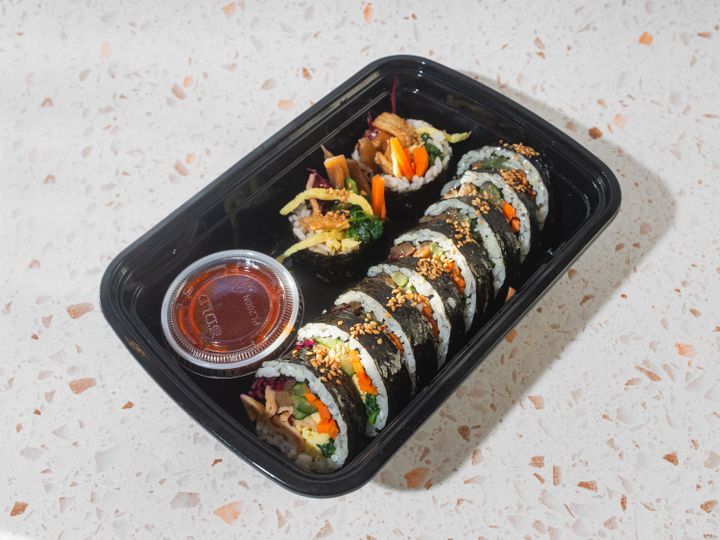
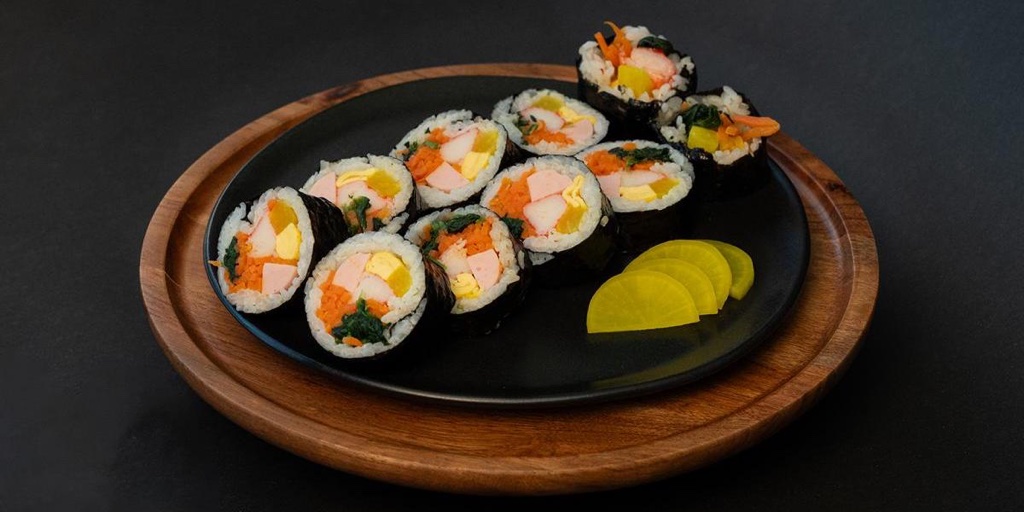
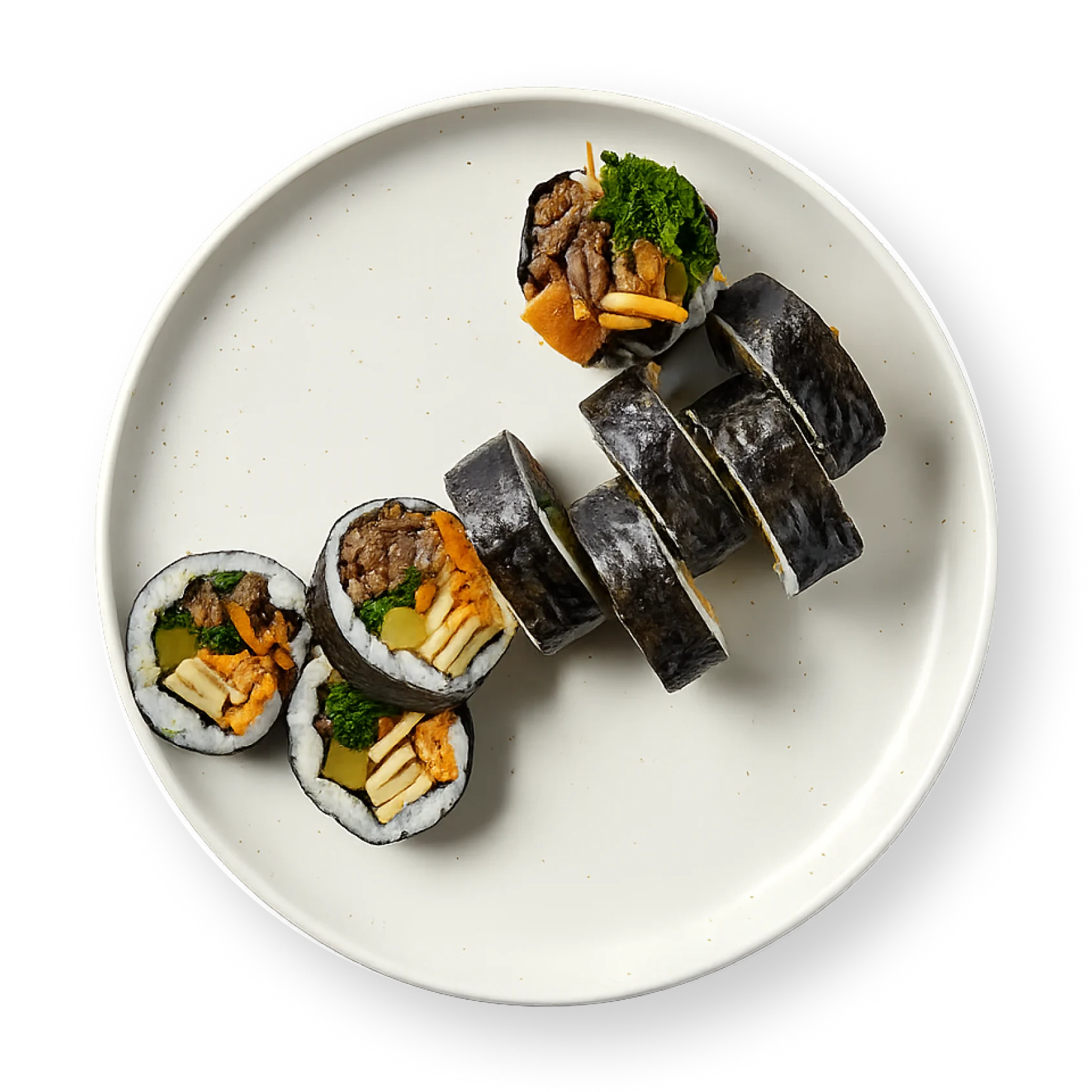
Official photograph of signature handcrafted gimbap rolls at Roll Over Kimbap in Union Square 01

Roll Over Kimbap

$13.00 – $18.00
Union Square · 25 E 17th St

Modern Union Square counter serving gourmet, chef-crafted gimbap rolls packed with generous fillings like tender braised beef, crispy pork cutlet, and spicy fish cake.

Notable Gimbap:
  • Pork Cutlet Kimbap
  • Braised Beef Kimbap
  • Mushroom Kimbap
  • +4 more on menu
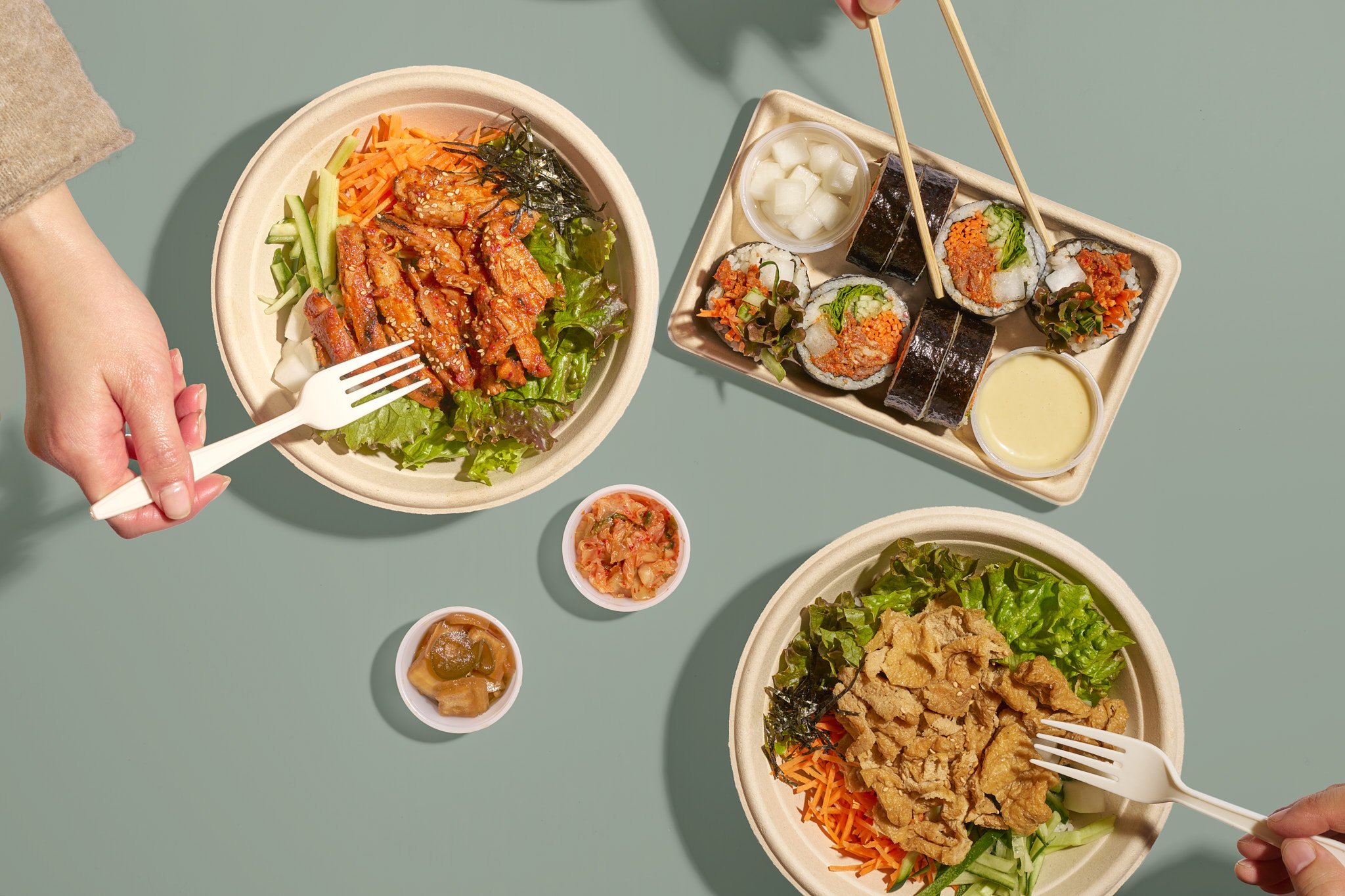
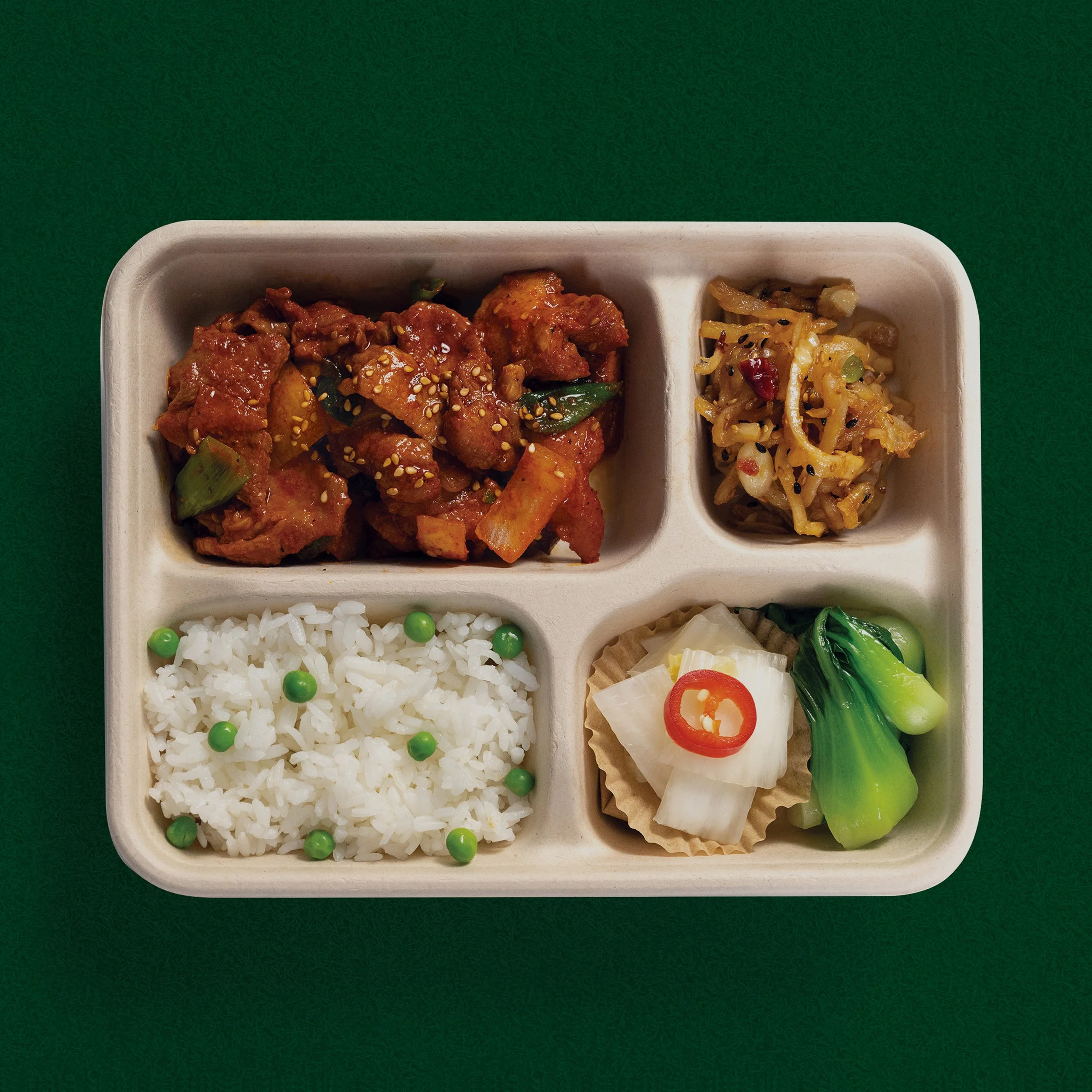
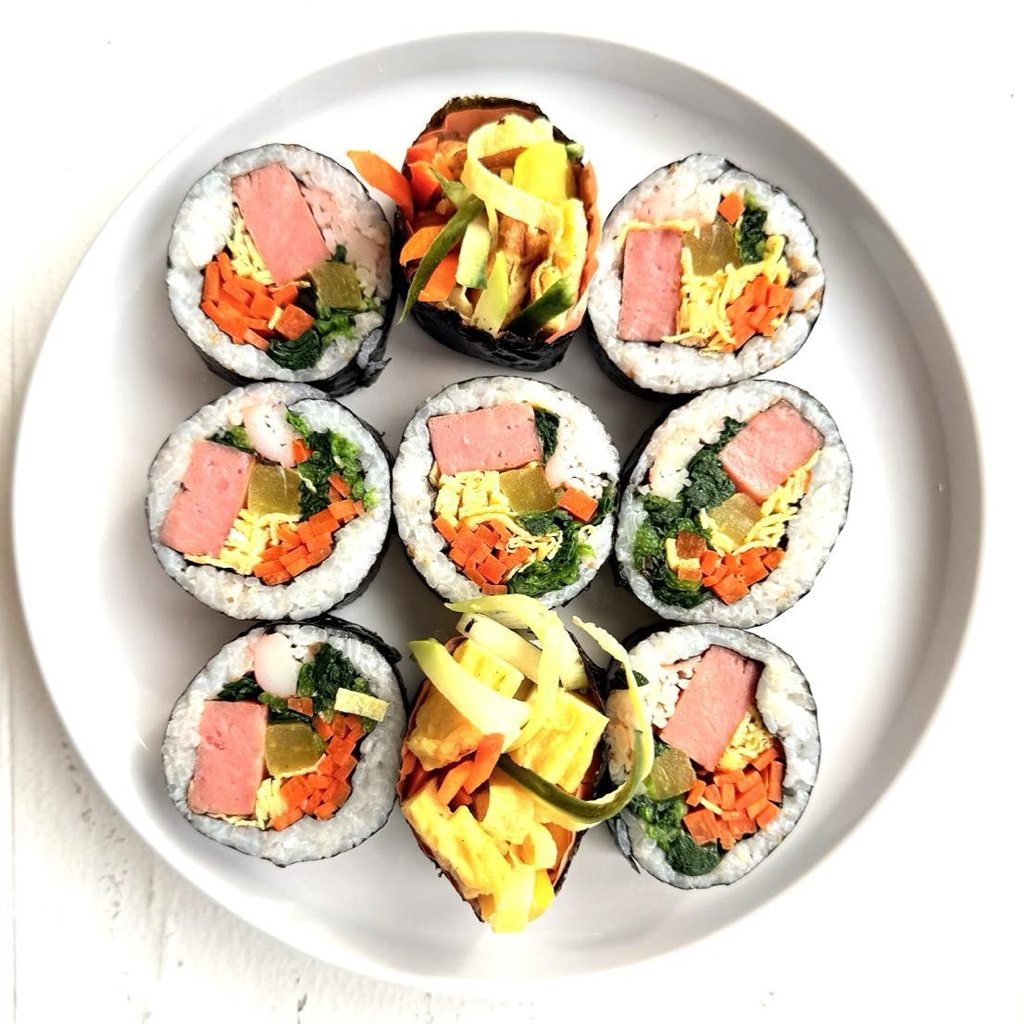
Official tabletop spread of fresh gluten-free gimbap rolls, Korean dipping sauces, and banchan at Kimbap Lab in Chelsea Market 02

Kimbap Lab

$6.00 – $15.00
Chelsea · 75 9th Ave

A high-profile counter inside Chelsea Market crafting gluten-free Korean comfort food, rolling all-natural gimbap made without artificial preservatives. Uses a shared commissary environment.

Notable Gimbap:
  • Bulgogi Beef Kimbap
  • Spicy Pork Kimbap
  • Spicy Chicken Kimbap
  • +4 more on menu
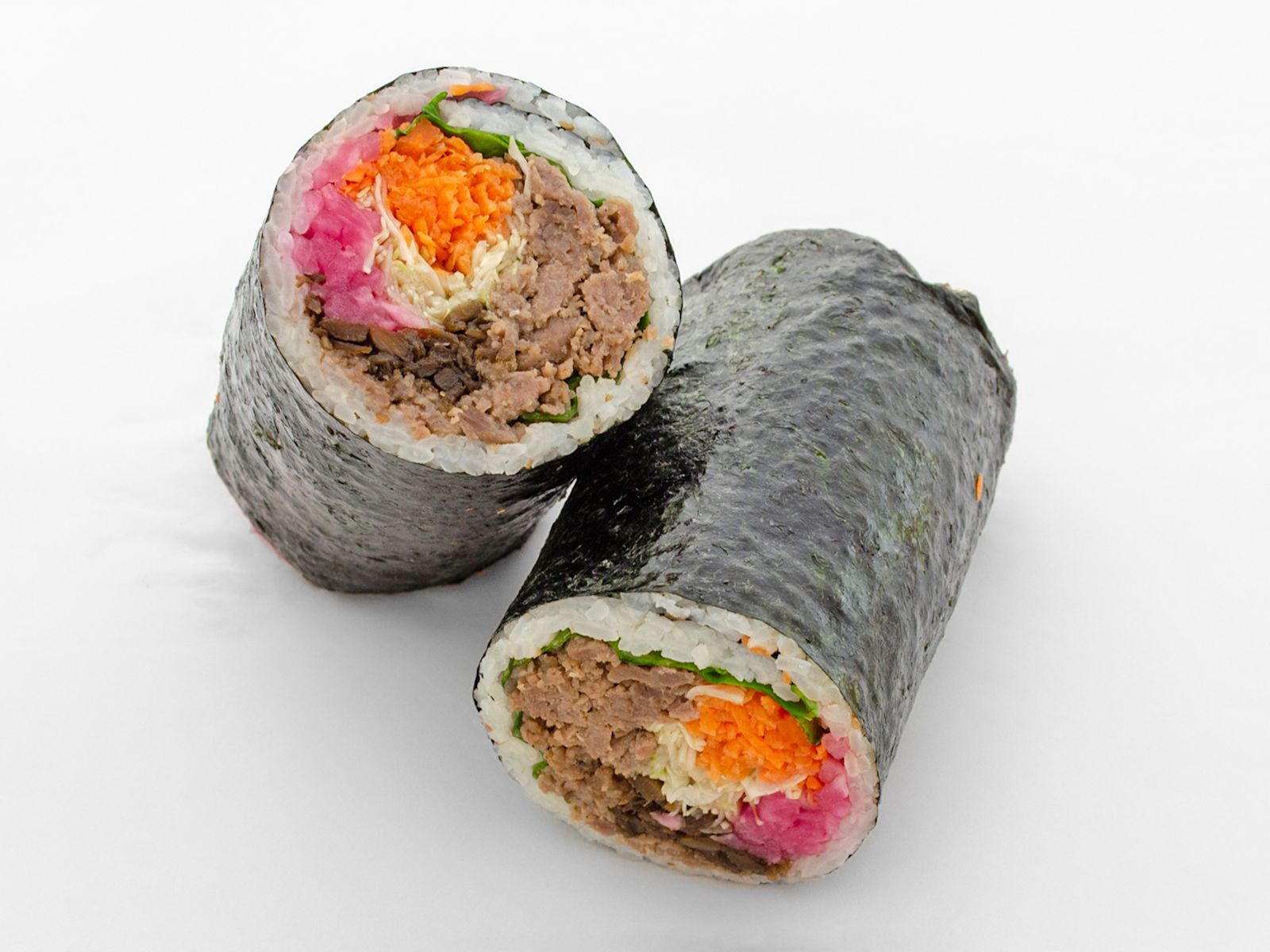
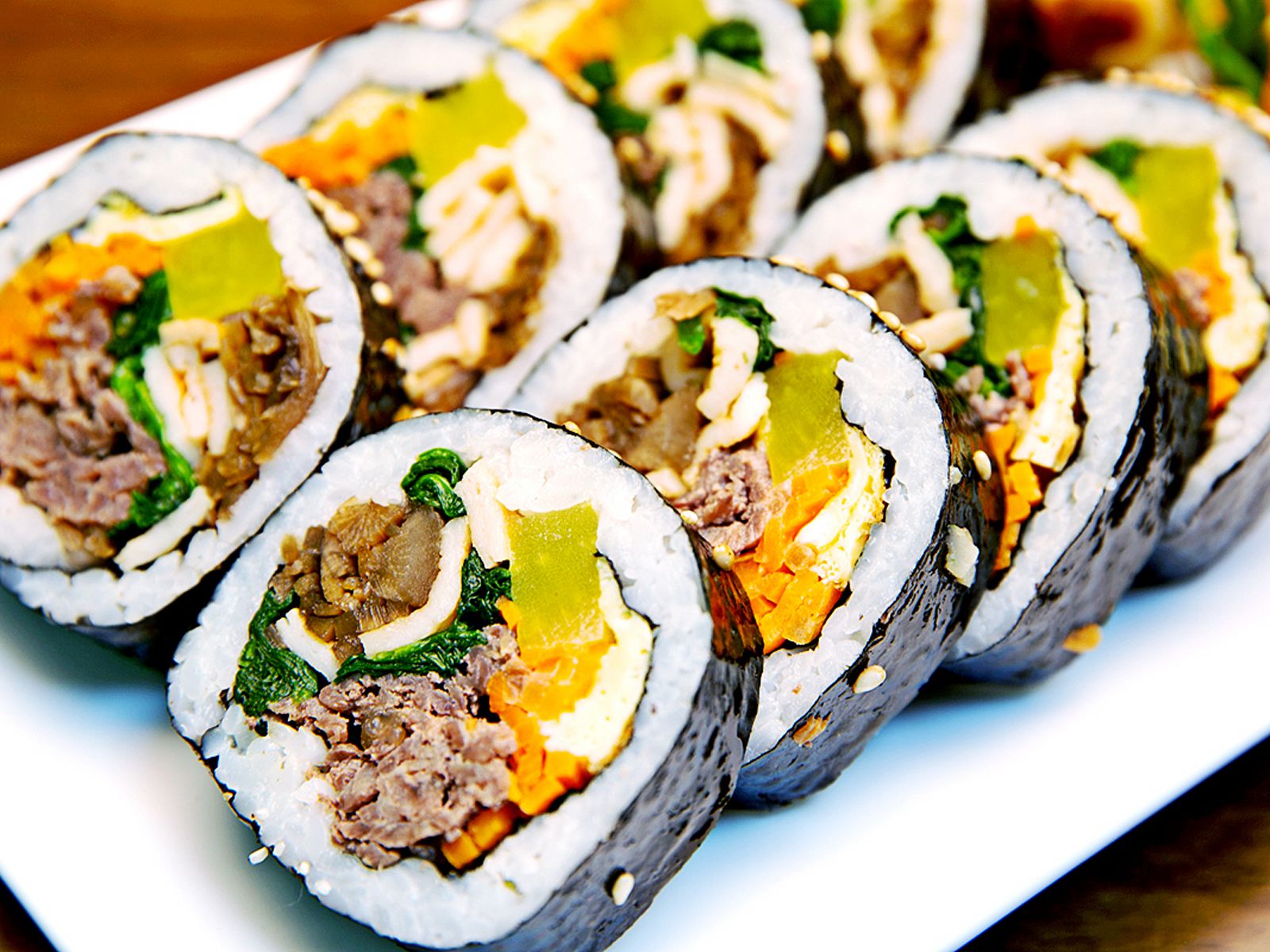
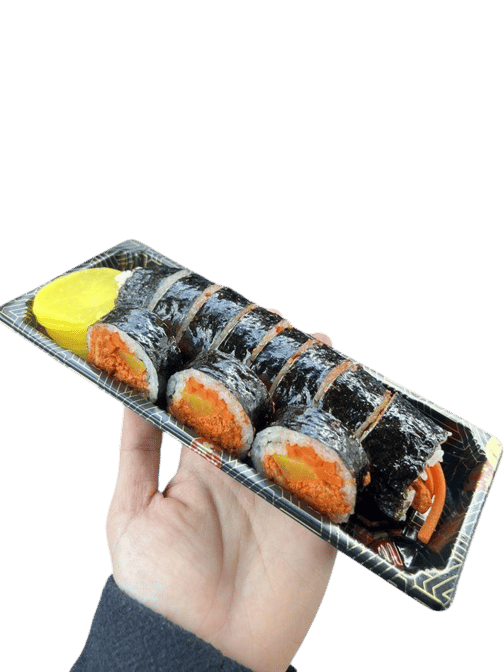
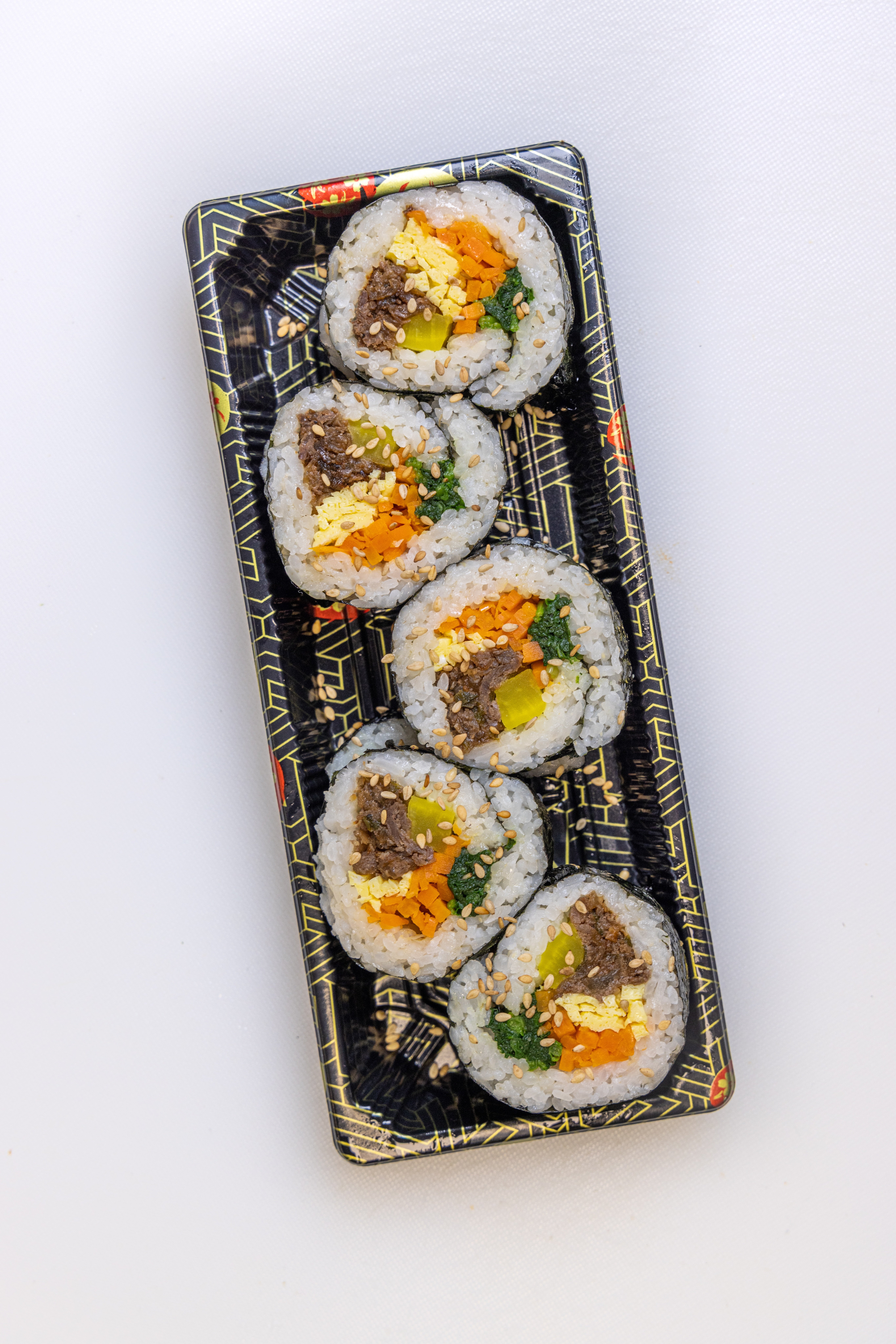
Official photograph of signature Bulgogi Beef Kimbap at Kim's Kimbap in Greenwich Village 03

Kim's Kimbap

$13.75 – $18.60
Greenwich Village · 496 6th Ave

A beloved Greenwich Village fast-casual outpost serving fresh, hearty gimbap rolls stuffed generously with homestyle braised vegetables and savory Korean fillings.

Notable Gimbap:
  • Bulgogi (Beef) Kimbap (불고기)
  • Tuna Mayo Kimbap (참치마요)
  • Chicken Tender Kimbap (치킨)
  • +6 more on menu
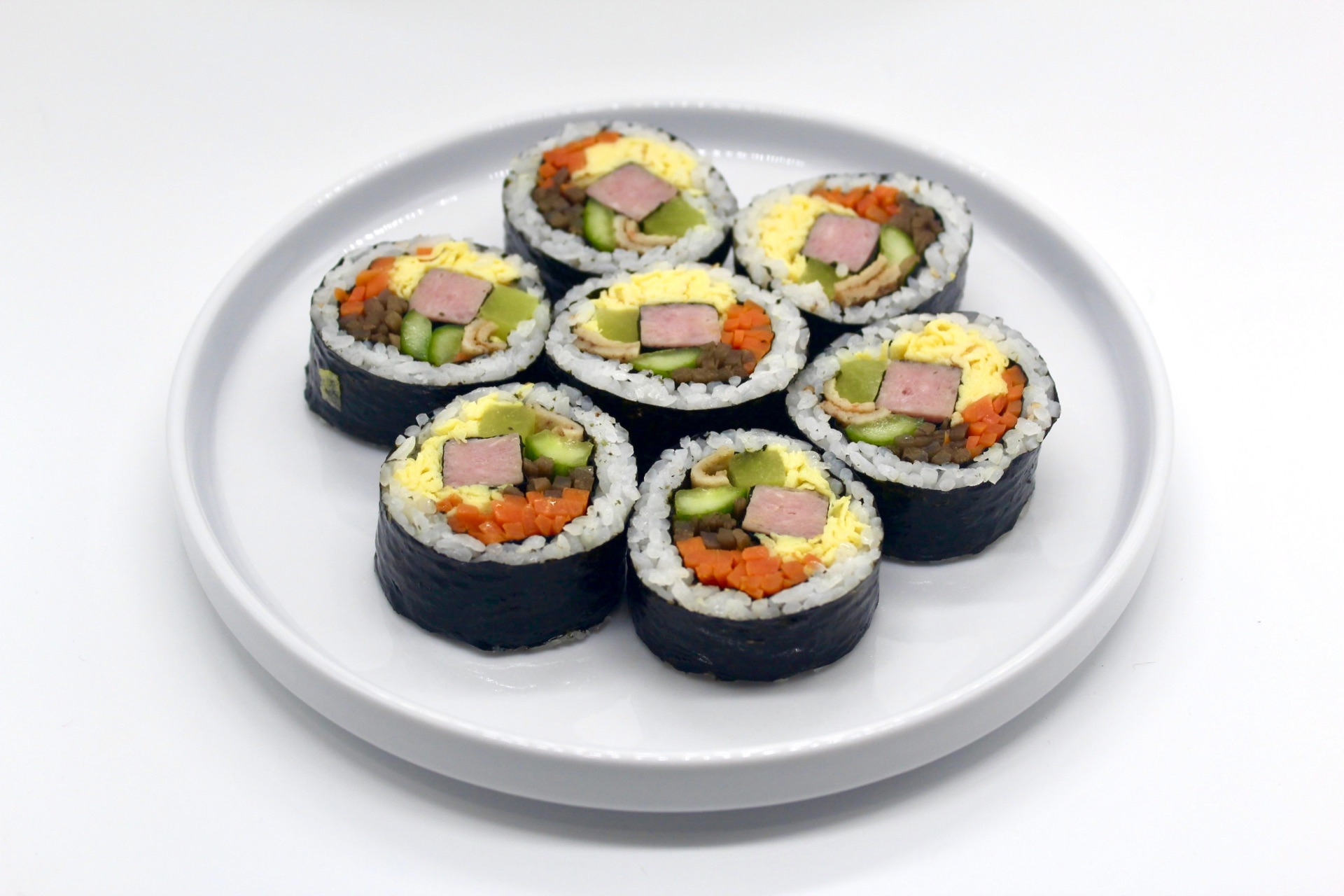
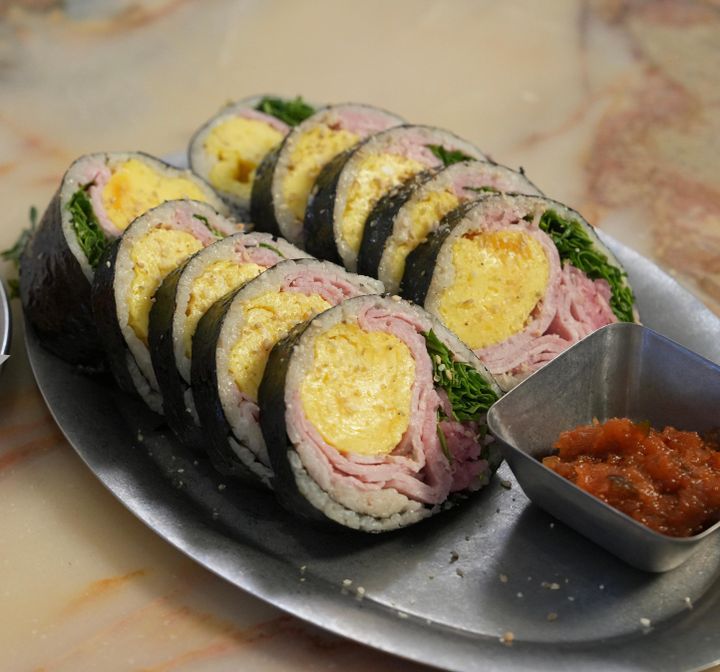
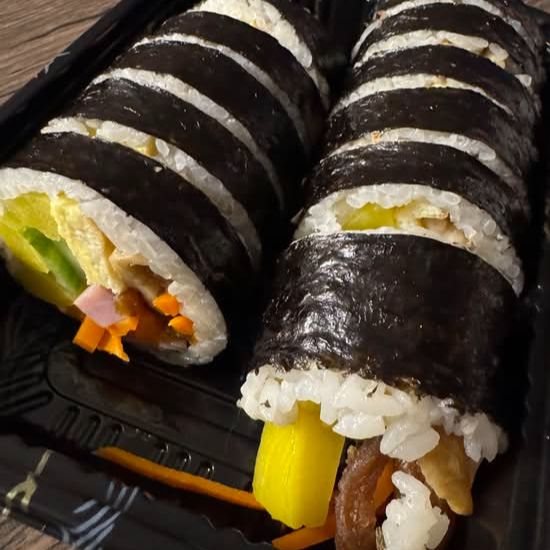
Official photograph of freshly sliced classic kimbap rolls from K-Kimbap in Chinatown 04

K-Kimbap

$8.99 – $21.99
Chinatown · 98 Mott St #11

A food-hall stall inside Chinatown's Mott Street Eatery, handcrafting jumbo kimbap rolls alongside mini mayak rolls and Korean comfort sides.

Notable Gimbap:
  • Bulgogi (Beef) Kimbap
  • Chicken Kimbap
  • Spicy Pork Kimbap
  • +16 more on menu
Authentic freshly rolled Korean gimbap brushed with sesame oil at E-Mo Kimbap in Koreatown 05

E-Mo Kimbap

$11.00 – $15.00 (Cash only)
Koreatown · 2 W 32nd St

Beloved hole-in-the-wall Koreatown takeout counter hand-rolling hearty, made-to-order gimbap wrapped warm and brushed generously with fragrant sesame oil. Cash only; in-store pricing.

Notable Gimbap:
  • Beef Bulgogi Kimbap
  • Spicy Tuna Kimbap
  • Teriyaki Chicken Kimbap
  • +2 more on menu
Official photograph of signature handcrafted Korean gimbap rolls at Kim & Bob Shop in Hell's Kitchen 06

Kim & Bob Shop

$13.99 – $15.99
Hell's Kitchen · 826 9th Ave

A vibrant Hell's Kitchen destination where gimbap is a headlining specialty, rolled with inventive options ranging from keto egg wraps to hearty braised ribeye bulgogi.

Notable Gimbap:
  • K1. The O.G Roll
  • K2. Dubu Dubu Roll
  • K3. Bulgogi Roll
  • +4 more on menu
Official photograph of signature Korean rice rolls and dining spread at Rice Kitchen in SoHo 07

Rice Kitchen

$13.50
SoHo · 204 Spring St

An artisanal SoHo Korean eatery making gimbap an essential centerpiece of their menu, rolling warm seasoned rice with wholesome braised toppings and clean aesthetic presentation.

Notable Gimbap:
  • BULGOGI KIMBAP
  • SPICY PORK KIMBAP
  • K CHICKEN KIMBAP
  • +3 more on menu
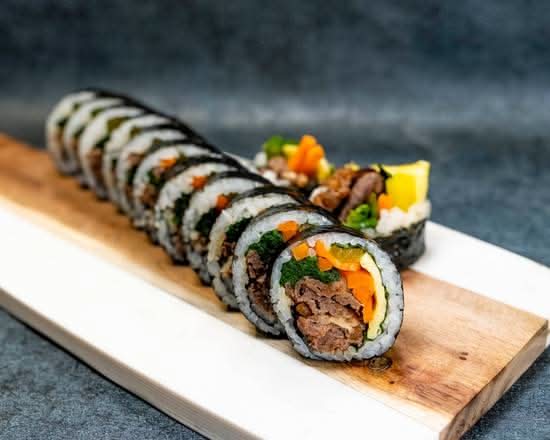
Official photograph of freshly sliced Bulgogi Kimbap at Lim's Kitchen in Midtown East 08

Lim's Kitchen

$15.95
Midtown East · 242 E 40th St

Midtown East / Murray Hill kitchen crafting hearty Korean comfort bowls, bibimbap, and freshly rolled kimbap seasoned with toasted sesame oil and balanced fillings.

Notable Gimbap:
  • Bulgogi Kimbap
  • Shrimp Tempura Kimbap
  • Tuna Kimbap
  • +3 more on menu

What Is Gimbap (Kimbap)?

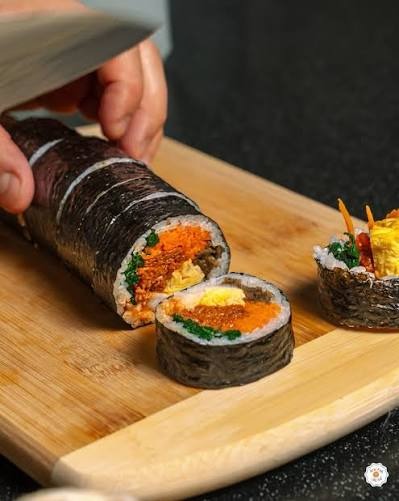
Gimbap (김밥)—frequently romanized as kimbap—is a beloved Korean culinary staple made from cooked short-grain rice (bap) lightly seasoned with pure toasted sesame oil and sea salt, rolled inside roasted dried sheets of purple laver seaweed (gim) alongside an array of colorful, savory fillings, then sliced into bite-sized rounds.

A Brief History of Gimbap

The tradition of eating rice wrapped in seaweed dates back hundreds of years in Korean culture. The Yeoryang Sesigi (열양세시기, 1819) and regional Joseon Dynasty records describe bokssam (복쌈), the auspicious practice of wrapping steamed grains in toasted laver to celebrate the first full moon of the lunar new year (Daeboreum). According to culinary historians and the Academy of Korean Studies, the contemporary cylinder-rolled style developed throughout the early-to-mid 20th century as sheet nori pressing spread and Japanese norimaki methods intersected with Korean culinary customs. Koreans rapidly transformed the dish into an unmistakably Korean foodway by replacing vinegared rice with aromatic toasted sesame oil and introducing signature Korean fillings—including beef bulgogi, spicy eomuk (fish cake), kimchi, and danmuji. By the late 20th century, gimbap became cemented as Korea's quintessential portable meal for school excursions, picnics (sopung), and train voyages.

Key Gimbap Varieties

Traditional Full-Size (Wonjo)

Thick, satisfying 10-piece rolls packed with a rainbow of 6 to 8 fillings: savory beef bulgogi, pork cutlet, tuna salad, omelette strips, braised burdock root, carrots, and sweet-sour danmuji.

Mayak (Mini) Gimbap

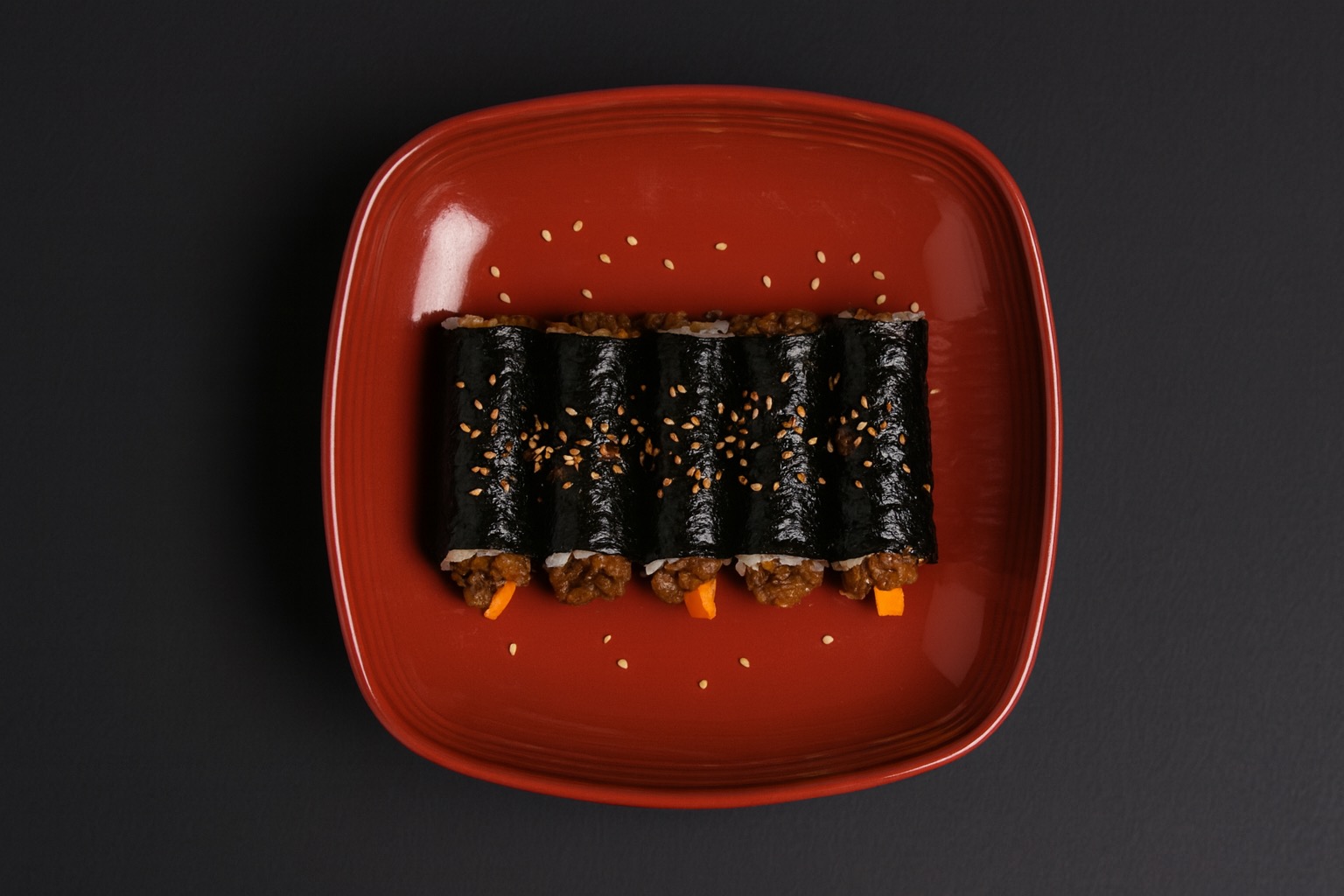
Slender, bite-sized mini rolls popularized in Seoul's historic Gwangjang Market. Stuffed simply with carrots, spinach, and danmuji, and served with an addictive piquant hot mustard dipping sauce.

Samgak (Triangle) Gimbap

Handheld triangular rice balls enveloped in a protective plastic-sheathed seaweed wrap that keeps the gim super-crisp until opened. A convenience store icon with savory meat or fish centers.

Gimbap vs. Japanese Sushi Rolls (Makizushi)

While both foods feature cooked short-grain rice and seaweed, their seasoning philosophy, filling composition, and cultural culinary roles differ substantially:

Feature Korean Gimbap (김밥) Japanese Sushi Roll (Makizushi)
Rice Seasoning Pure toasted sesame oil (chamgireum) and sea salt; warm, nutty, and savory aroma. Sushi vinegar (shari: rice vinegar, sugar, and salt); tangy and subtly sweet.
Core Fillings Cooked, sautéed, braised, or pickled meats, seafood, egg ribbons, and seasoned vegetables. Fillings vary and may include seafood, vegetables, egg, and other ingredients.
Exterior Finish Brushed generously with toasted sesame oil and sprinkled with toasted sesame seeds. Plain dry nori exterior or inside-out rice coated with sesame seeds or tobiko roe.
Accompaniments Danmuji (yellow pickled radish), baechu kimchi, or warm fish cake broth (odeng guk). Gari (pickled ginger), soy sauce (shoyu), and pungent grated wasabi.
Cultural Occasion Hearty everyday picnic food, quick casual breakfast, or comfort lunch on the go. Specialty dining, sushi bar courses, or formal party platters.

Gimbap and Kimbap in New York City

Across Manhattan, gimbap (also widely spelled kimbap) has evolved from a nostalgic grab-and-go lunchbox staple into one of New York City’s most celebrated Korean culinary discoveries. Whether you are seeking time-honored traditional rolls in Koreatown, artisan outposts in SoHo, modern counters in Midtown, or dedicated gluten-free and vegan specialties at Chelsea Market, NYC offers an exceptional spectrum of Korean seaweed rice rolls prepared fresh daily with toasted sesame oil, crisp seasonal produce, and savory proteins.

From Chinatown through SoHo, Greenwich Village, Hell's Kitchen, and Midtown, this neighborhood guide connects you with verified menus, honest pricing, and local dietary options so you can discover the best gimbap across New York.

Explore more of your neighborhood

Discover local shops, secondhand finds, food rescue, and neighborhood marketplaces across NYC and New Jersey with Moonoh.

Explore Marketplace →

Frequently Asked Questions

What is gimbap (kimbap)?

Gimbap (김밥) is an iconic Korean dish made from seasoned cooked short-grain rice (bap) and a variety of colorful fillings rolled tightly in roasted seaweed sheets (gim) and sliced into bite-sized rounds. Typical fillings include beef bulgogi, spicy pork, tuna salad, fluffy egg ribbons (gyeran-mari), pickled yellow radish (danmuji), braised burdock root (ueong), and blanched spinach.

How is gimbap different from Japanese sushi rolls?

The primary difference lies in the rice seasoning, fillings, and finishing touch. Gimbap rice is typically seasoned with toasted sesame oil and salt, whereas sushi rice (shari) is seasoned with rice vinegar and sugar. Furthermore, gimbap fillings are typically fully cooked, sautéed, or pickled rather than raw fish, and the completed roll is finished with a fragrant brushing of sesame oil and toasted sesame seeds.

What is the historical origin of gimbap?

Culinary historians and the Academy of Korean Studies document that Koreans have wrapped rice in seaweed (bokssam) since the Joseon Dynasty. Modern roll-style gimbap developed during the early-to-mid 20th century as sheet nori pressing and norimaki techniques were adopted and transformed with traditional Korean ingredients like sesame oil, kimchi, and bulgogi, solidifying gimbap as Korea's favorite portable picnic food.

What are mayak gimbap and samgak gimbap?

Mayak gimbap ("narcotic" or addictive kimbap) originated in Seoul's Gwangjang Market; these are petite, finger-length mini rolls filled with carrot, spinach, and danmuji, brushed with sesame oil and eaten with a piquant hot mustard-soy dipping sauce. Samgak gimbap is a triangle-shaped seaweed rice roll with savory fillings inside, popular as a convenient grab-and-go snack across Korean convenience counters.

Are there vegetarian or gluten-free gimbap options in Manhattan?

Yes! Kimbap Lab inside Chelsea Market specializes in gluten-free Korean gimbap and uses gluten-free tamari and ingredients, though guests with severe celiac sensitivities should note it prepares food in a shared facility environment. For vegetarian and vegan choices, Roll Over Kimbap offers vegan Mushroom and Carrot Rapée rolls, K-Kimbap serves braised burdock and tofu rolls, Kim & Bob Shop prepares the Dubu Dubu tofu roll, and Rice Kitchen crafts fluffy egg and mushroom rolls.

Where can I find traditional gimbap near Koreatown and Midtown Manhattan?

In Koreatown, E-Mo Kimbap (2 W 32nd St) is a beloved hole-in-the-wall takeaway counter hand-rolling classic homestyle rolls warm to order (cash only). In Midtown East / Murray Hill, Lim's Kitchen (242 E 40th St) serves freshly rolled kimbap—including Bulgogi, Shrimp Tempura, and Spicy Tuna—alongside hearty bibimbap and comfort bowls.

What are typical gimbap prices across NYC?

In Manhattan, full-size gimbap rolls typically range from $11.00 to $18.00 depending on the protein (such as marinated ribeye bulgogi, pork cutlet, or fresh tuna salad). Petite mayak rolls (5 pieces) average $8.99 to $10.79, triangle samgak rolls cost around $5.99 to $6.00, and classic neighborhood storefront rolls typically average $13.00 to $16.00.